
Case Study on Sanctions
The Asia/Pacific Group on Money Laundering (APG), in its 2025 typology report, has highlighted one important case study on sanctions.
The Department of Internal Affairs became aware that a foreign person, referred to as Person A, who was a client of a New Zealand reporting entity, may have been associated with a sanctioned individual. Under New Zealand's sanctions legislation, a person who holds a relevant position in a company that is 50% or more owned by a sanctioned person may be deemed an associate of that sanctioned person. Associates are themselves a class of persons deemed to be sanctioned.
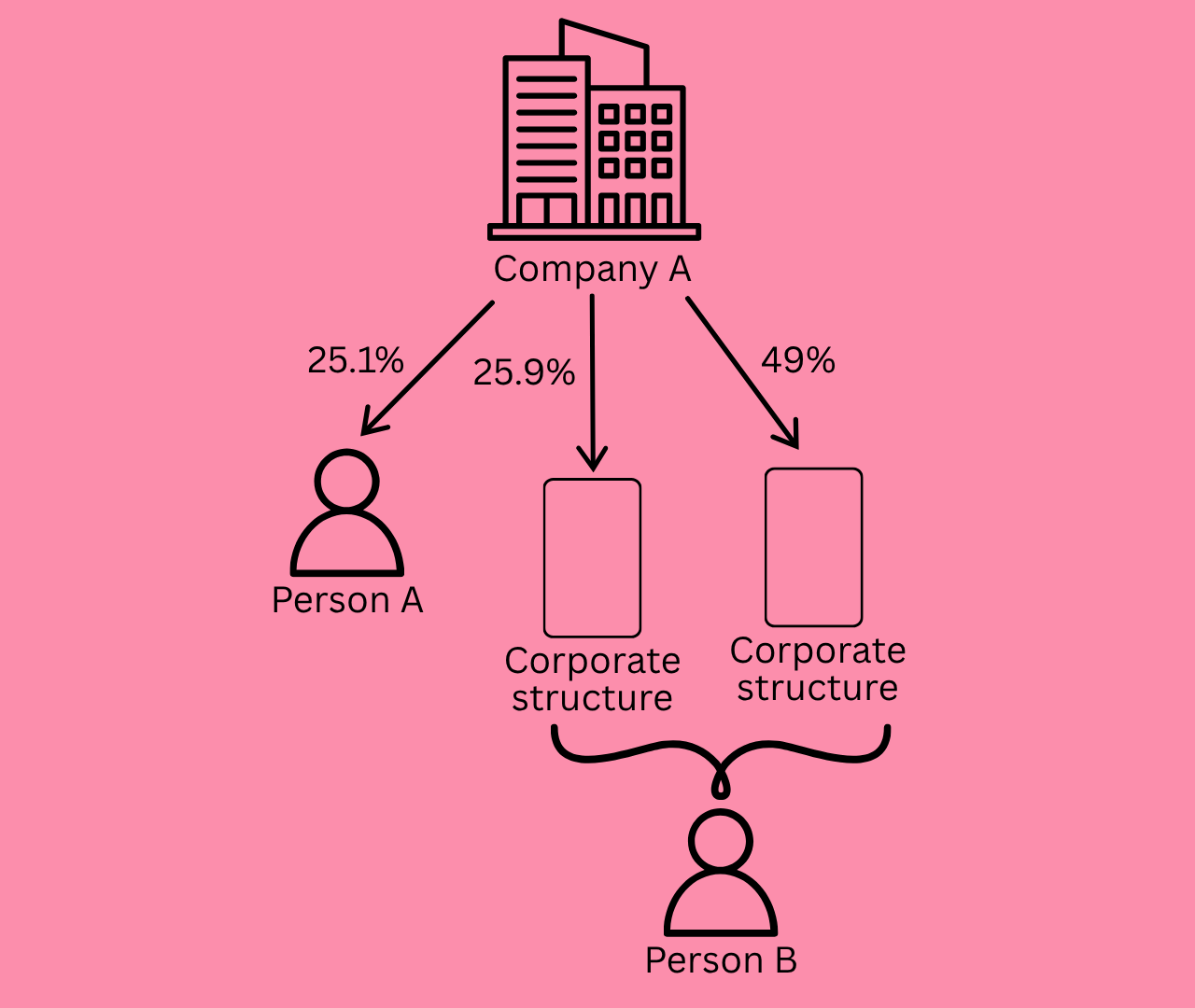
The concern arose from Person A’s close association with Person B, a prominent foreign oligarch who was listed on New Zealand’s domestic sanctions register on 20 April 2022. Person A owned 25.1% of Company A, while Person B owned 49% of Company A, indirectly through a group structure.
At first glance, the corporate structure appeared to keep Person B (the sanctioned person) ownership below the relevant 50% threshold. This seems to have been done on purpose, since the restructure was conducted before the sanctions regime was put in place in New Zealand.
On closer inspection, the investigators found evidence suggesting that Person B (the sanctioned person) was the beneficial owner of another company holding a further 25.9% interest on Company A. This means that Person B's interest in Company A is no longer 49% but 74.9%, making Person A a sanctioned individual by association.
Discovering a situation like that, the reporting entity must:
cease providing services to Person A
freeze the assets held on behalf of Person A (if any)
alert the police.
Get in touch if you have any questions.